Comprehensive Guide to Fuels
Explore the world of energy sources, from traditional fossil fuels to cutting-edge renewable technologies
Understanding Energy Sources
Energy power our modern world, driving transportation, industry, and daily life. As we face climate challenges, understanding different fuel types, their impacts, and future alternatives becomes crucial for sustainable development.
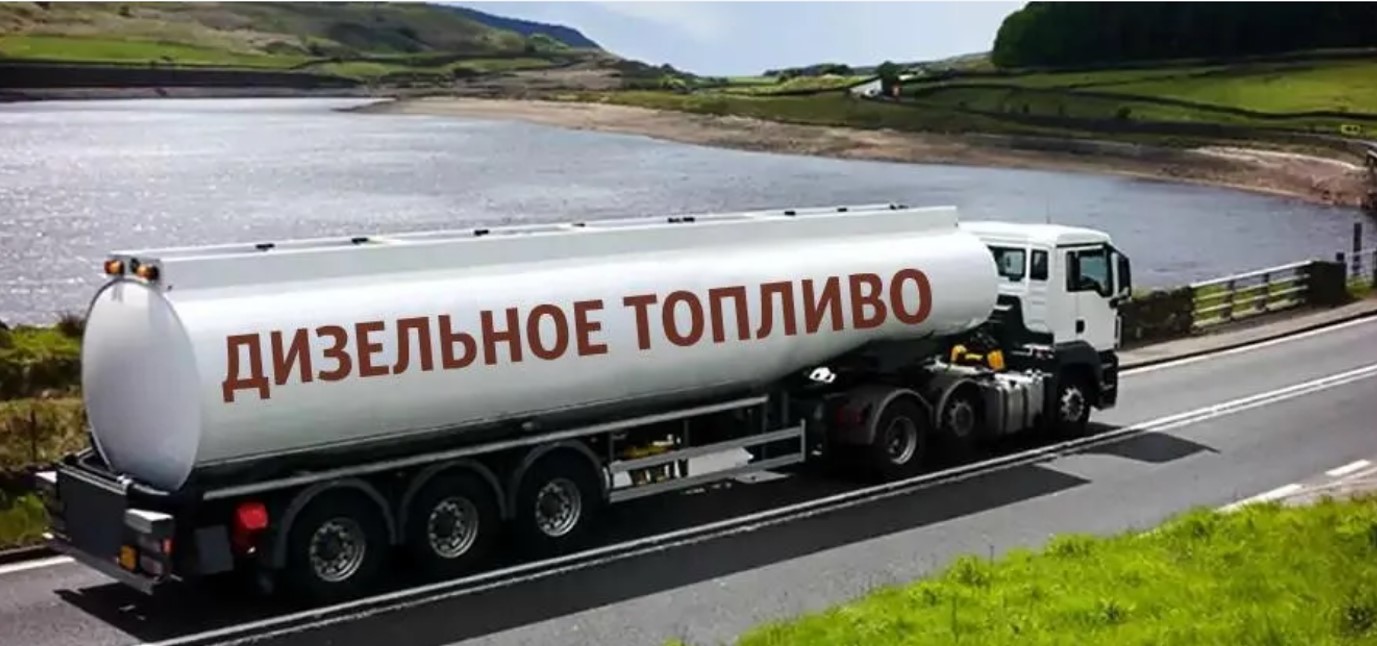
Diesel Fuel
A widely used fuel for heavy-duty vehicles and industrial applications, known for its efficiency and power output.

Automobile Gasoline
The most common fuel for passenger vehicles, powering cars and light trucks worldwide.
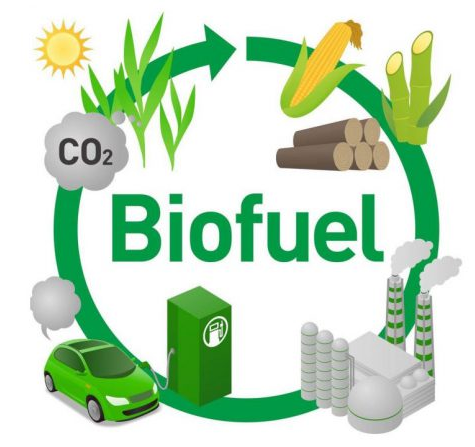
Biofuels
Renewable fuels derived from organic matter, offering a sustainable alternative to fossil fuels.
Hydrogen
A clean energy carrier with high energy density, used in fuel cells and various industrial applications.

Solar Energy
Harnessing the sun's energy to generate clean electricity for homes, businesses, and utilities.

Wind Energy
Converting wind kinetic energy into electricity using turbines, both onshore and offshore.
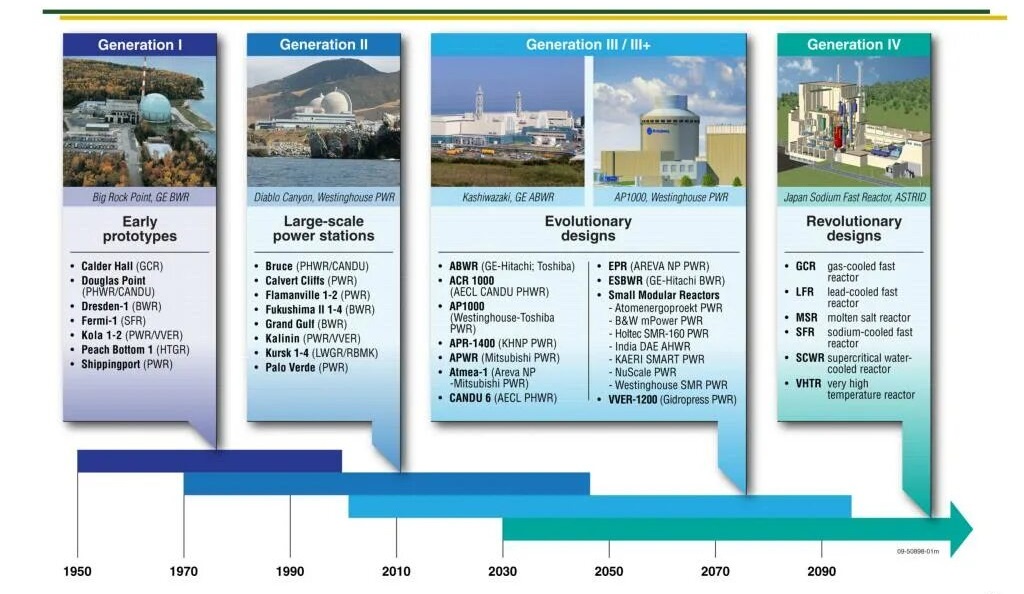
Nuclear Energy
Harnessing atomic energy to generate large amounts of baseload electricity with minimal emissions.
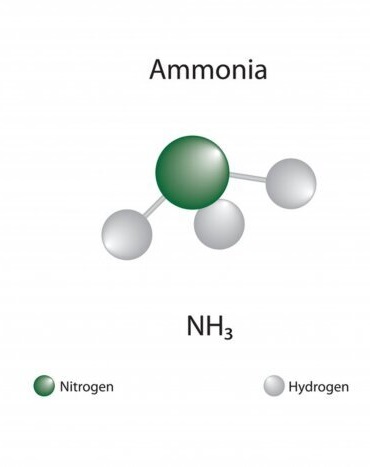
Ammonia
A promising energy carrier and fuel, especially for maritime and industrial applications.
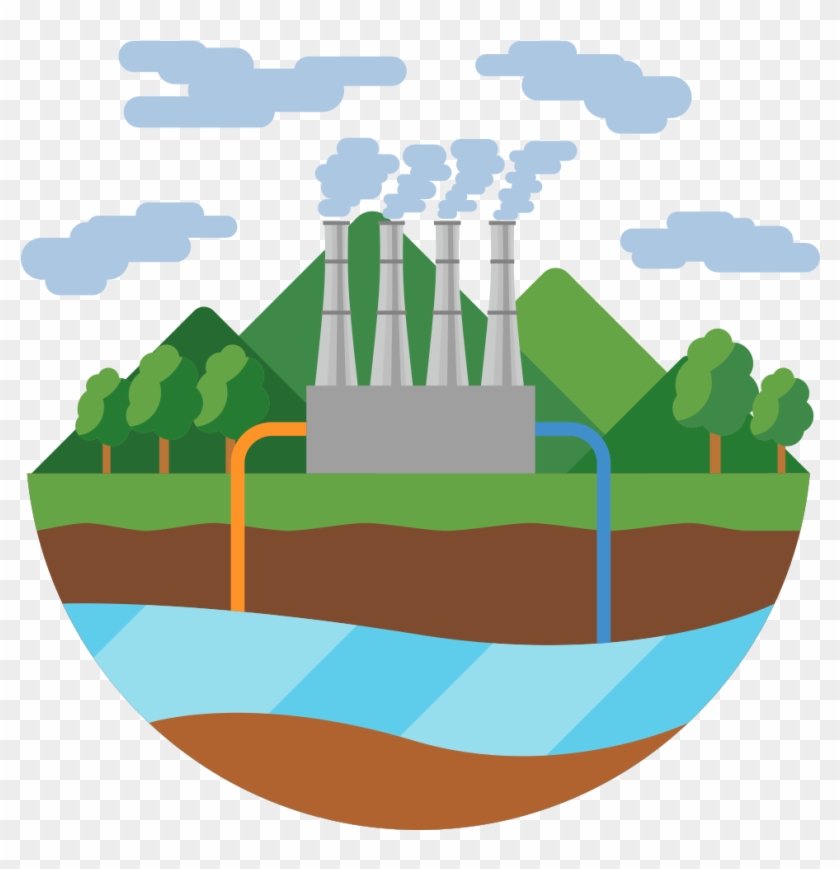
Geothermal Energy
Utilizing heat from the Earth's interior to generate electricity and provide heating.

Aviation Gasoline
Specialized fuels designed for aircraft engines, meeting stringent safety and performance standards for high-altitude operations.

Jet Fuel
A specialized type of aviation fuel designed for use in gas-turbine engines in aircraft.

Mazut
A heavy, viscous fuel oil used primarily in industrial applications and power generation.
Fuel Comparison
| Fuel Type | Energy Density | Carbon Intensity | Efficiency | Global Share |
|---|---|---|---|---|
| Diesel Fuel | 45.5 MJ/kg | 74 gCO2e/MJ | 30-40% | 7% |
| Automobile Gasoline | 44.4 MJ/kg | 69 gCO2e/MJ | 25-35% | 8% |
| Biofuels | 26-30 MJ/kg | 15-45 gCO2e/MJ | 20-30% | 3% |
| Hydrogen | 142 MJ/kg | 0-120 gCO2e/MJ | 40-60% | <1% |
| Solar Energy | N/A | 10-50 gCO2e/kWh | 15-22% | 4% |
| Wind Energy | N/A | 10-20 gCO2e/kWh | 35-45% | 7% |
| Nuclear Energy | 8.2×10^13 J/kg | 12 gCO2e/kWh | 33-37% | 10% |
| Ammonia | 18.6 MJ/kg | 0-400 gCO2e/MJ | 50-60% | <1% |
| Geothermal Energy | N/A | 30-40 gCO2e/kWh | 10-23% | <1% |
| Aviation Gasoline | 43.15 MJ/kg | 89 gCO2e/MJ | 35-40% | 5% |
| Jet Fuel | 43.15 MJ/kg | 89.6 gCO2e/MJ | 35-40% | 6% |
| Mazut | 42.5 MJ/kg | 95 gCO2e/MJ | 35-40% | 4% |
Future Trends in Energy
Renewable Energy Growth
Renewable energy sources are experiencing unprecedented growth, driven by falling costs, policy support, and climate concerns. Solar and wind are leading this transformation, with other renewables like geothermal and advanced biofuels gaining momentum.
Electrification of Everything
The global economy is rapidly electrifying, from transportation to heating and industry. This trend is supported by improving battery technology, falling costs, and the need to reduce emissions across all sectors.
Technological Innovation
Breakthrough technologies in energy storage, hydrogen production, carbon capture, and advanced nuclear are accelerating the transition to clean energy. Innovation is making clean energy more accessible, affordable, and reliable.
Sustainability Focus
Environmental, social, and governance considerations are increasingly driving energy decisions. Companies and governments are prioritizing sustainable practices, circular economy principles, and responsible resource management.
Ready to Learn More?
Join our community to discuss fuel quality, share knowledge, and stay updated with the latest developments in energy technologies.