Biofuels
Renewable fuels derived from organic matter, offering a sustainable alternative to fossil fuels.
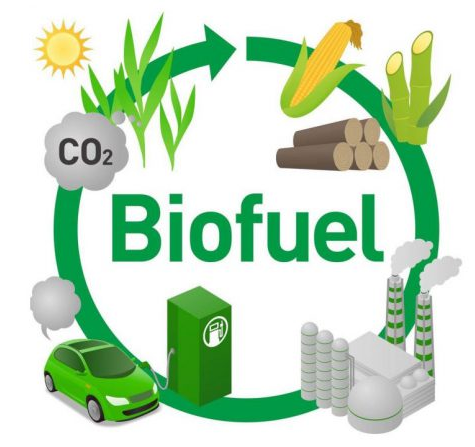
Overview
Biofuels are fuels produced directly or indirectly from organic material (biomass), including plant materials and animal waste. They include bioethanol, biodiesel, and biogas, offering renewable alternatives to fossil fuels.
Energy Density
Energy Density
Efficiency
Global Share
Cetane Number
Sulfur Content
Carbon Intensity
Environmental Impact
CO2 Emissions
—
Particulate Matter
—
Nitrogen Oxides
—
Quality Requirements
Applications
Biofuels are used in transportation (blended with gasoline or diesel), heating systems, electricity generation, and as industrial feedstocks.
Advantages
- Renewable and sustainable
- Lower carbon emissions
- Can use existing infrastructure
- Supports agricultural economies
- Energy security benefits
Challenges
- Land use competition with food crops
- Variable production costs
- Lower energy density
- Water usage concerns
- Limited scalability
Future Outlook
Advanced biofuels from algae and waste materials show promise for sustainable production without competing with food crops, potentially playing a significant role in decarbonizing transportation.