Automobile Gasoline
The most common fuel for passenger vehicles, powering cars and light trucks worldwide.
Overview
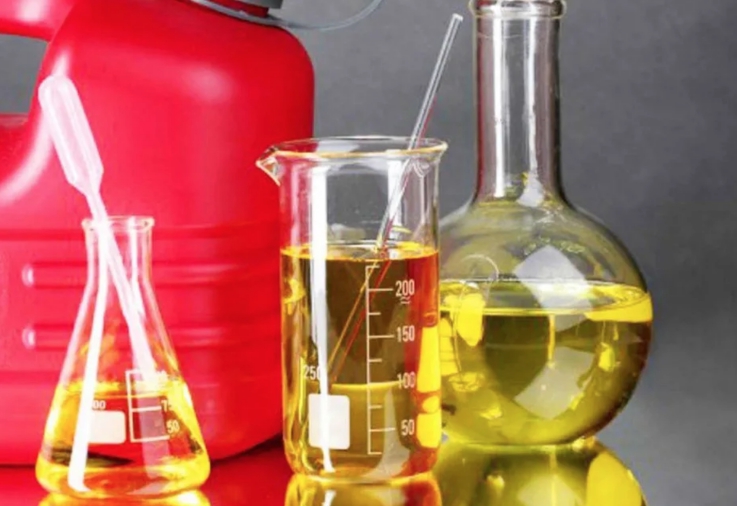
Gasoline, also known as petrol, is a transparent, petroleum-derived liquid that is used primarily as a fuel in internal combustion engines. It's the most widely used transportation fuel globally.
Energy Density
Energy Density
Efficiency
Global Share
Cetane Number
Sulfur Content
Carbon Intensity
Environmental Impact
CO2 Emissions
—
Particulate Matter
—
Nitrogen Oxides
—
Quality Requirements
Applications
Gasoline powers most passenger cars, light trucks, motorcycles, small aircraft, boats, and various small engines used in lawn equipment and power tools.
Advantages
- Wide availability globally
- Established infrastructure
- Lower initial vehicle costs
- High energy density
- Quick refueling capability
Challenges
- Significant greenhouse gas emissions
- Air pollution concerns
- Price volatility
- Limited fossil fuel reserves
- Growing competition from electric vehicles
Future Outlook
Gasoline demand is expected to gradually decline as electric vehicles gain market share, though it will remain important for the foreseeable future, especially in regions with limited electric infrastructure.