Ammonia
A promising energy carrier and fuel, especially for maritime and industrial applications.
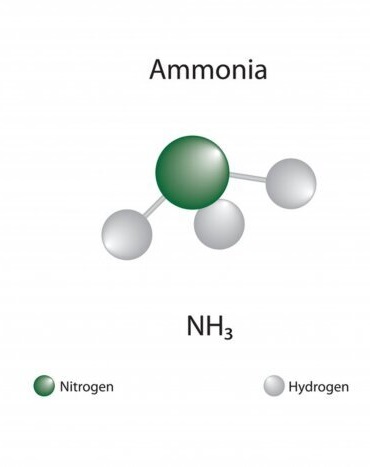
Overview
Ammonia (NH3) is gaining attention as a potential zero-carbon fuel, particularly for hard-to-abate sectors like shipping. It can be produced from renewable energy (green ammonia) and used directly as a fuel or as a hydrogen carrier.
Energy Density
Energy Density
Efficiency
Global Share
Cetane Number
Sulfur Content
Carbon Intensity
Environmental Impact
CO2 Emissions
—
Particulate Matter
—
Nitrogen Oxides
—
Quality Requirements
Applications
Ammonia is being explored as a marine fuel, for power generation, as a hydrogen carrier, and in industrial processes like fertilizer production.
Advantages
- Zero carbon emissions when produced renewably
- Higher energy density than liquid hydrogen
- Existing production infrastructure
- Easier storage and transport than hydrogen
- Multiple potential applications
Challenges
- Current production is fossil fuel-based
- Toxicity and safety concerns
- NOx emissions when burned
- Higher production costs for green ammonia
- Limited end-use technology
Future Outlook
Green ammonia is expected to play a significant role in decarbonizing shipping and other hard-to-abate sectors, with production costs expected to decrease as renewable energy becomes cheaper.