Wind Energy
Converting wind kinetic energy into electricity using turbines, both onshore and offshore.
Overview
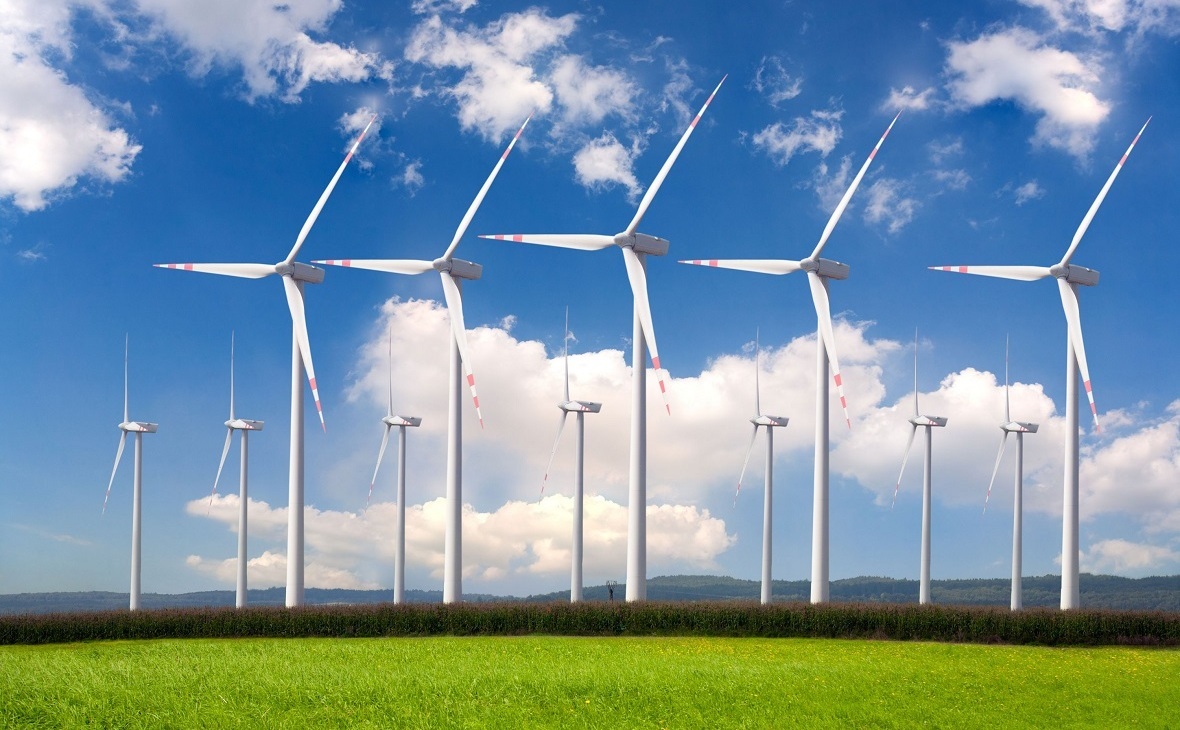
Wind energy captures the kinetic energy of moving air through turbines to generate electricity. It's one of the most mature and cost-effective renewable energy technologies available today.
Energy Density
Energy Density
Efficiency
Global Share
Cetane Number
Sulfur Content
Carbon Intensity
Environmental Impact
CO2 Emissions
—
Particulate Matter
—
Nitrogen Oxides
—
Quality Requirements
Applications
Wind energy powers onshore and offshore wind farms, distributed generation systems, hybrid systems with other renewables, and industrial applications.
Advantages
- Clean and renewable
- Cost-competitive with fossil fuels
- Low operating costs
- Small land footprint
- Job creation potential
Challenges
- Intermittent power generation
- Visual and noise impact
- Wildlife concerns
- Location-specific resource
- Grid integration challenges
Future Outlook
Offshore wind is expected to see significant growth due to stronger and more consistent winds, larger turbines, and technological improvements, playing a major role in global decarbonization efforts.