Geothermal Energy
Utilizing heat from the Earth's interior to generate electricity and provide heating.
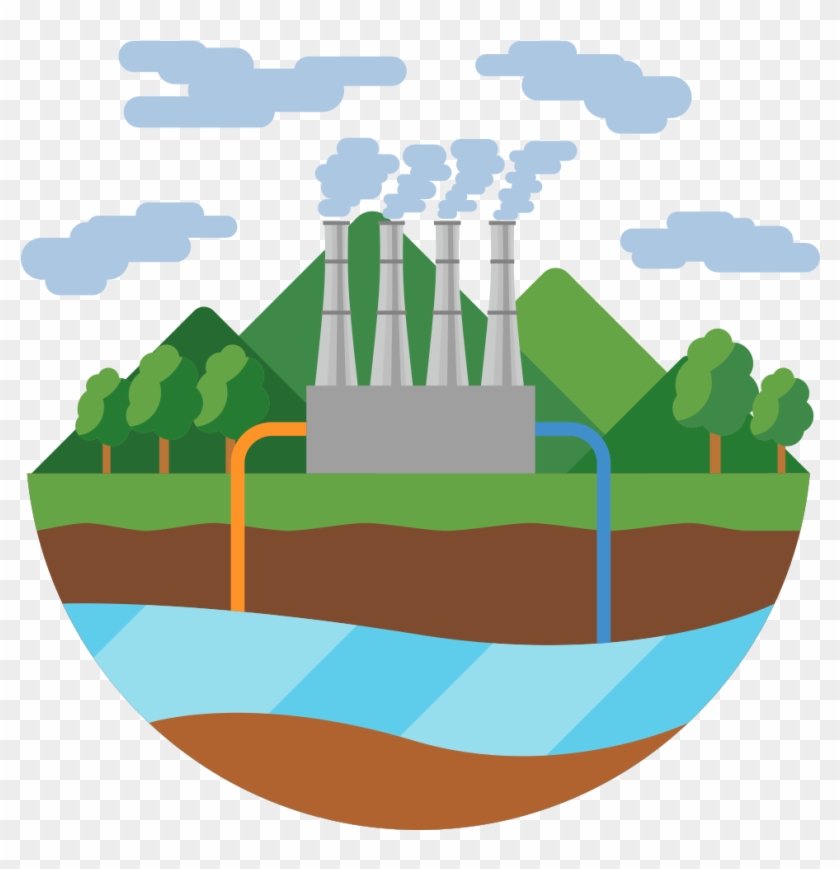
Overview
Geothermal energy harnesses heat from within the Earth to generate electricity or provide direct heating. It's a reliable, baseload renewable energy source available in regions with suitable geological conditions.
Energy Density
Energy Density
Efficiency
Global Share
Cetane Number
Sulfur Content
Carbon Intensity
Environmental Impact
CO2 Emissions
—
Particulate Matter
—
Nitrogen Oxides
—
Quality Requirements
Applications
Geothermal energy is used for electricity generation, district heating, industrial processes, agriculture (greenhouse heating), and spa/resort applications.
Advantages
- Reliable baseload power
- Low carbon emissions
- Small land footprint
- Long plant lifespan
- Direct heating applications
Challenges
- Location-specific resource
- High upfront costs
- Exploration risks
- Potential for induced seismicity
- Limited global availability
Future Outlook
Enhanced geothermal systems (EGS) could dramatically expand geothermal's potential by creating artificial reservoirs in hot rock formations, making geothermal viable in more locations worldwide.