Jet Fuel
A specialized type of aviation fuel designed for use in gas-turbine engines in aircraft.
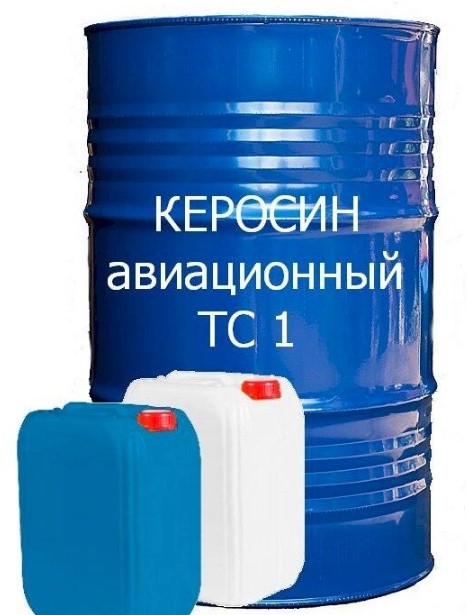
Overview
Jet fuel is a specialized type of aviation fuel designed for use in gas-turbine engines in aircraft. It is colorless to straw-colored and consists mainly of hydrocarbons. Jet fuel offers high energy density, excellent cold weather performance, and stability at high altitudes. The most common types are Jet A and Jet A-1, which are kerosene-based fuels used in commercial aviation worldwide.
Energy Density
Energy Density
Efficiency
Global Share
Cetane Number
Sulfur Content
Carbon Intensity
Environmental Impact
CO2 Emissions
—
Particulate Matter
—
Nitrogen Oxides
—
Quality Requirements
Applications
Jet fuel is used in commercial airliners, military aircraft, private jets, and helicopters. It powers both commercial and military aviation, serving as the primary fuel for jet engines across the globe.
Advantages
- High energy density for long-range flights
- Excellent cold weather performance
- Stability at high altitudes
- Well-established global infrastructure
- Consistent quality standards
Challenges
- Significant carbon emissions
- Dependence on fossil fuel sources
- High production and refining costs
- Environmental impact concerns
- Limited sustainable alternatives currently
Future Outlook
The aviation industry is actively developing sustainable aviation fuels (SAF) from biomass, waste oils, and synthetic processes. These alternatives can reduce lifecycle carbon emissions by up to 80% compared to conventional jet fuel, with targets for 50% SAF adoption by 2050. Electric and hydrogen aircraft are also in development for short-haul routes.