Nuclear Energy
Harnessing atomic energy to generate large amounts of baseload electricity with minimal emissions.
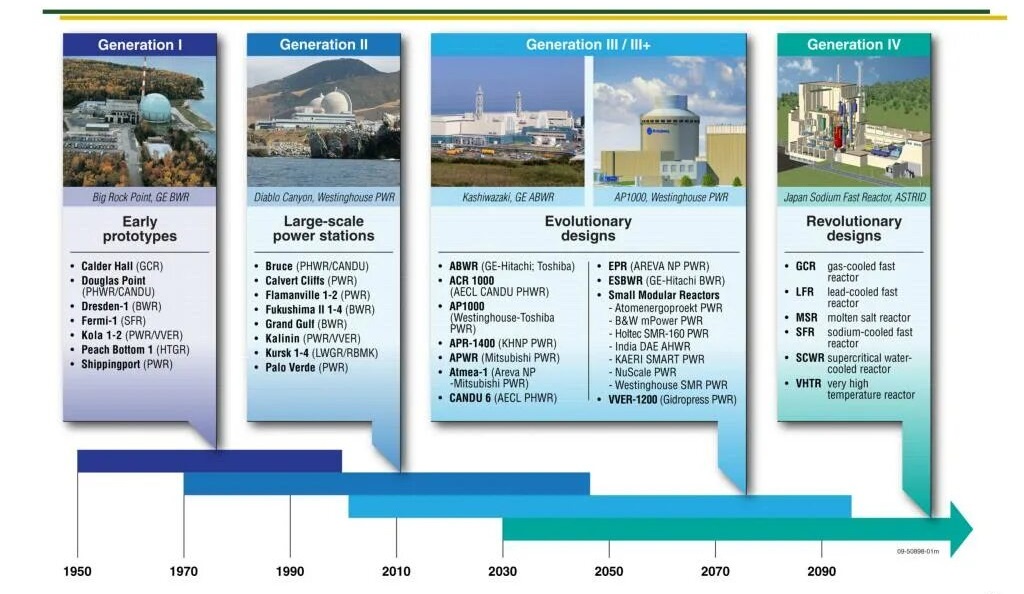
Overview
Nuclear energy uses nuclear reactions to generate heat, which produces steam to drive turbines and generate electricity. It provides reliable baseload power with minimal greenhouse gas emissions during operation.
Energy Density
Energy Density
Efficiency
Global Share
Cetane Number
Sulfur Content
Carbon Intensity
Environmental Impact
CO2 Emissions
—
Particulate Matter
—
Nitrogen Oxides
—
Quality Requirements
Applications
Nuclear energy is used for electricity generation, naval propulsion, research reactors, medical isotope production, and industrial applications.
Advantages
- Very low carbon emissions
- High energy density
- Reliable baseload power
- Low operating costs
- Small land footprint
Challenges
- High initial construction costs
- Radioactive waste management
- Safety concerns
- Long construction times
- Public perception issues
Future Outlook
Advanced nuclear technologies, including small modular reactors and Generation IV designs, aim to address cost, safety, and waste concerns while maintaining nuclear's low-carbon advantages.