Diesel Fuel
A widely used fuel for heavy-duty vehicles and industrial applications, known for its efficiency and power output.
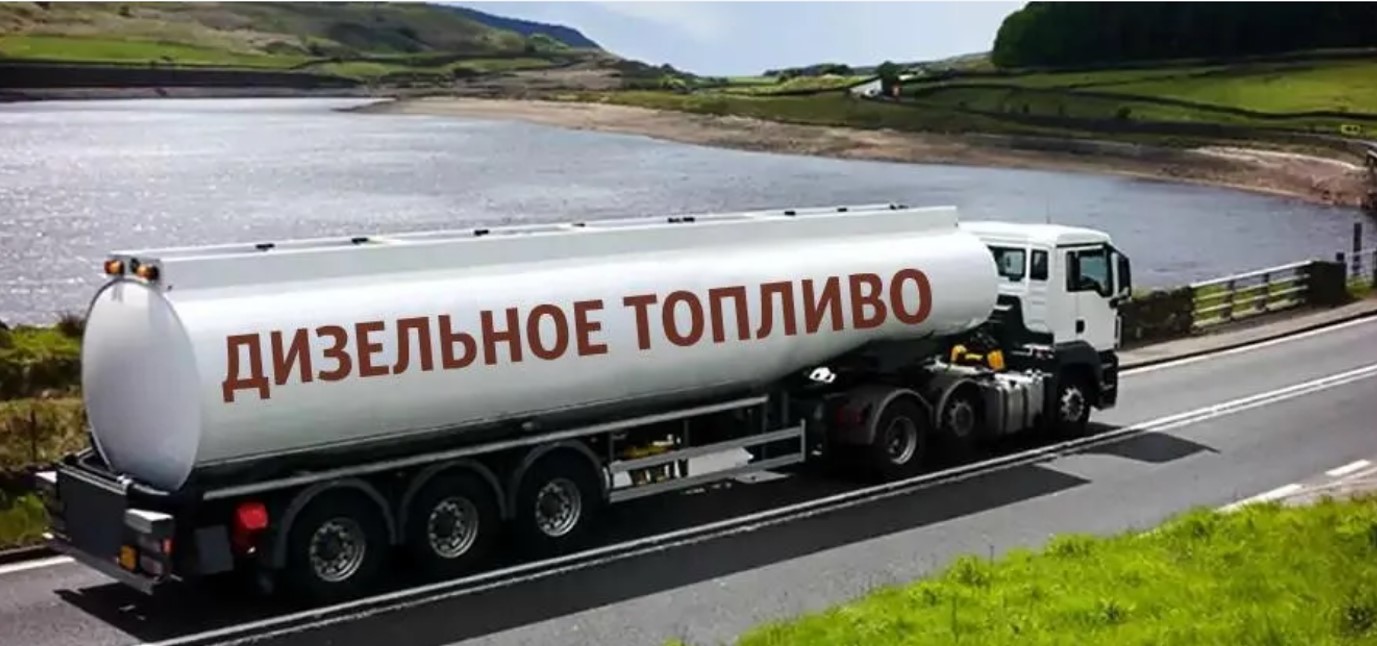
Overview
Diesel fuel is a petroleum-derived fuel used in diesel engines, which are common in trucks, buses, trains, and industrial machinery. It's known for its high energy density and efficiency compared to gasoline.
Energy Density
Energy Density
45.5 MJ/kg
Efficiency
40-45% thermal
Global Share
28% of transport fuel
Cetane Number
40-60
Sulfur Content
<15 ppm (ULSD)
Carbon Intensity
74.1 gCO2e/MJ
Environmental Impact
CO2 Emissions
2.68 kg CO2 per liter
Particulate Matter
Significant (requires DPF)
Nitrogen Oxides
High (requires SCR)
Market Information
Global Production
1.2 billion barrels annually
Major Producers
- Saudi Arabia
- USA
- Russia
- China
- India
Price Trend
Moderately volatile, influenced by crude oil
Quality Requirements
Production
Diesel fuel is produced through the fractional distillation of crude oil at petroleum refineries. The process involves heating crude oil to separate it into various components based on their boiling points. Diesel typically distills between 200°C and 350°C. Modern refineries also use hydrocracking and other advanced processes to improve diesel quality and reduce sulfur content.
Quality Requirements
Diesel fuel must meet strict quality standards defined by organizations like ASTM (American Society for Testing and Materials) and EN (European Standards). Key quality parameters include cetane number (minimum 40-45), sulfur content (ultra-low sulfur diesel contains less than 15 ppm sulfur), density, viscosity, flash point, and cold flow properties. These standards ensure proper engine performance, emissions control, and fuel system durability.
Testing Methods
Diesel fuel quality is tested using various laboratory methods. Common tests include cetane number measurement, sulfur analysis using X-ray fluorescence, distillation testing to determine boiling range, viscosity measurement, and cold filter plugging point (CFPP) testing for cold weather performance. Advanced techniques like gas chromatography are used to analyze fuel composition and detect contaminants.
Applications
Diesel is primarily used in heavy transportation (trucks, buses, trains), marine vessels, agricultural equipment, construction machinery, and backup power generators.
Advantages
- Higher energy density than gasoline
- Better fuel efficiency
- More torque output
- Lower CO2 emissions per kilometer
- Longer engine lifespan
Challenges
- Higher nitrogen oxide and particulate emissions
- Dependence on fossil fuel imports
- Environmental concerns
- Price volatility
- Limited renewable alternatives
Future Outlook
The future of diesel involves gradual transition to cleaner variants like biodiesel and synthetic diesel, along with stricter emission standards and eventual electrification of many applications.