Mazut
A heavy, viscous fuel oil used primarily in industrial applications and power generation.
Overview
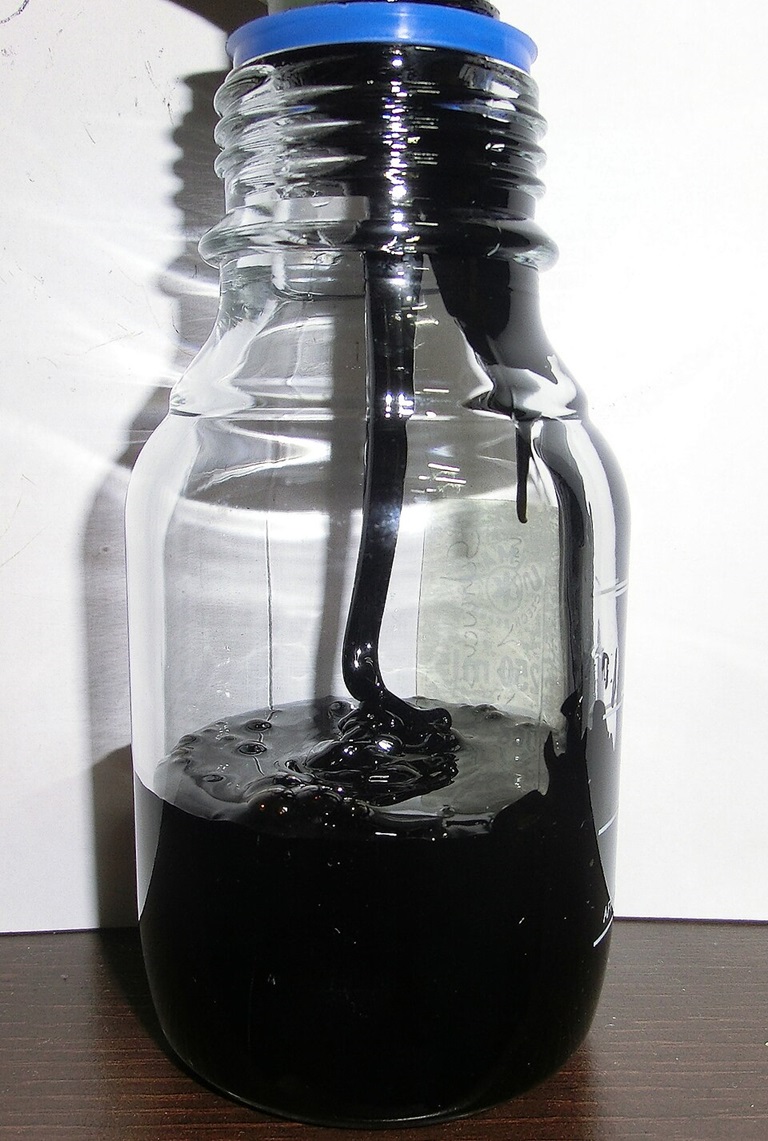
Mazut is a heavy, viscous fuel oil that is a byproduct of petroleum refining. It is characterized by its high viscosity and dark color. Mazut is primarily used in industrial boilers, power plants, and as a feedstock for further processing into lighter fuels. It requires preheating before use due to its high viscosity.
Energy Density
Energy Density
Efficiency
Global Share
Cetane Number
Sulfur Content
Carbon Intensity
Environmental Impact
CO2 Emissions
—
Particulate Matter
—
Nitrogen Oxides
—
Quality Requirements
Applications
Mazut is used in industrial boilers for steam generation, in power plants for electricity production, and as a fuel for marine vessels in some regions. It is also processed to produce lighter petroleum products.
Advantages
- High energy content
- Lower cost compared to refined fuels
- Suitable for large industrial applications
- Can be further processed into lighter fuels
- Stable storage properties
Challenges
- High viscosity requiring preheating
- High sulfur content in some grades
- Significant environmental emissions
- Limited applications in modern systems
- Handling and transportation difficulties
Future Outlook
The use of mazut is gradually declining in developed countries due to environmental regulations and the shift to cleaner fuels. However, it remains important in some industrial applications and developing regions. Future trends focus on improving quality and reducing environmental impact through better refining processes.