Aviation Gasoline
High-octane, low-lead fuel specifically designed for piston-engine aircraft.
Overview
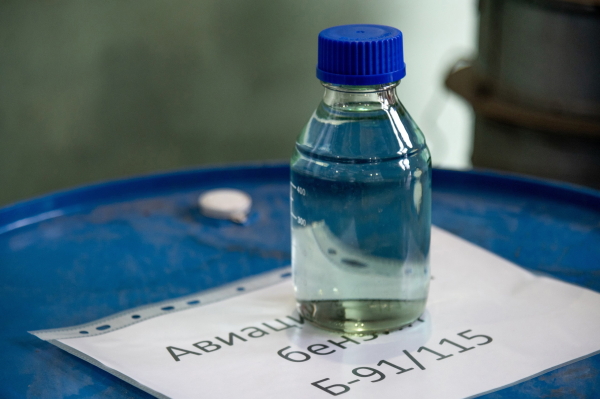
Aviation Gasoline is a specialized high-octane fuel used exclusively in piston-engine aircraft (such as Cessna, Piper, and Robinson helicopters). Unlike jet fuel (kerosene Jet A-1, russian TS-1), aviation gasoline must possess exceptionally high knock resistance. In Russia, it is regulated by the B-91/115 grade (GOST 1012), while globally the most common grade is Avgas 100LL (100 Low Lead).
Key Specifications
Energy Density
Energy Density
Efficiency
Efficiency
Global Share
Global Share
Octane Number
Octane Number (MON/RON)
Sulfur Content
Sulfur Content
Carbon Intensity
Carbon Intensity
Environmental Impact
CO2 Emissions
~2.3 kg CO2 per liter
Particulate Matter
Contains lead (TEL)
Nitrogen Oxides
Moderate
Market Information
Global Production
~500 thousand barrels per year
Major Producers
- USA
- Europe
- Russia
Price Trend
High volatility due to monopoly
Quality Requirements
Key AvGas quality parameters: knock resistance (motor octane number min 91, research octane number min 115 for B-91/115); tetraethyl lead content (strictly regulated); freezing point (max -60 °C for reliable high-altitude operation); vapor pressure (to prevent cavitation in fuel pumps at altitude); absence of mechanical impurities and water.
Motor Octane Number
Min. 91
Lead Content
Max 0.56 g/L
Freezing Point
Max -60 °C
Vapor Pressure
29.0 - 49.0 kPa
Applications
Used in general aviation: training and private aircraft (Cessna 172, Piper PA-28), agricultural aviation (crop dusting), and piston helicopters. It is NOT used in gas turbine (jet) engines.
Advantages
- High knock resistance, critical for aviation engines
- Stability at extremely low temperatures (down to -60 °C and below)
- Optimal vapor pressure for high-altitude operation
- Provides maximum power for piston engines
Challenges
- Lead content (TEL) makes the fuel toxic and environmentally harmful
- Limited number of global producers (monopoly)
- High cost compared to automotive gasoline
- Logistical and storage challenges (requires dedicated tanks)
Future Outlook
The main trend is the transition to unleaded alternatives (UL94, G100UL) due to lead bans. Sustainable Aviation Fuel (SAF) for general aviation and the electrification of light aircraft are also actively being developed.